
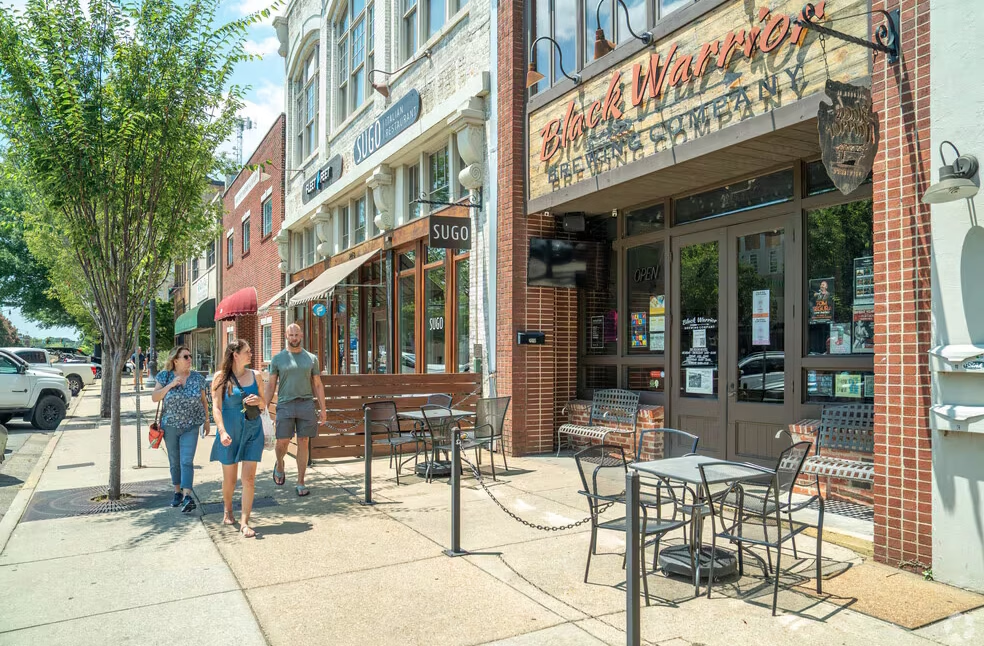
Tuscaloosa’s growth is easy to see downtown, around the University of Alabama and along the city’s busiest commercial corridors. But the larger story extends well beyond the city center. Tuscaloosa County’s population reached an estimated 241,368 residents in 2025, up 5.8% from its 2020 population estimate base. More people and more development across the county also mean more daily trips between homes, jobs, schools, shopping and surrounding communities.
As Tuscaloosa County grows, where people live and how they travel are changing with it. Communities outside the urban core are increasingly connected to employment centers, businesses and services throughout the region. That makes the roads linking those communities to major highways and interstates an important part of the county’s continued growth.
The Tuscaloosa Bypass is part of that larger transportation network. The route connects U.S. 82 with I-20/59 and provides connections to Highways 171, 43, 69 North and 69 South. It also offers another crossing of the Black Warrior River, giving drivers an alternative to routes through the more heavily traveled areas of Tuscaloosa and Northport.
That connection matters for more than the daily commute. The Bypass also serves commercial traffic moving between major highways and the interstate system. As residential, commercial and industrial activity expands throughout Tuscaloosa County, having multiple ways to move people and goods around the region helps support the communities on both sides of the river.
Tuscaloosa County will continue to change, and its next chapter of growth will not be limited to downtown or the areas surrounding the university. New residents, homes and businesses bring new transportation needs with them. The Tuscaloosa Bypass is one part of the infrastructure helping a growing county stay connected, giving drivers another option for getting where they need to go while helping traffic move around the urban core.