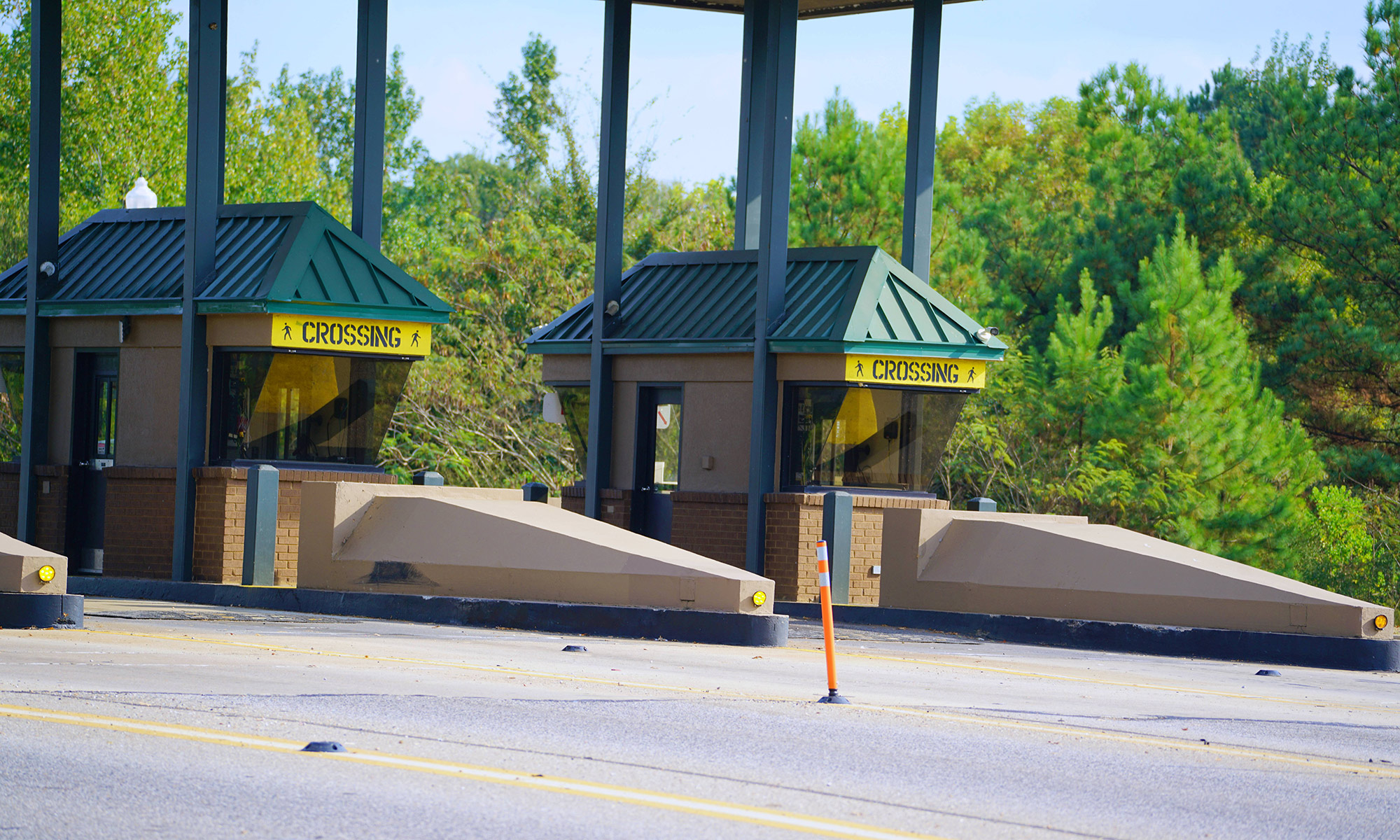
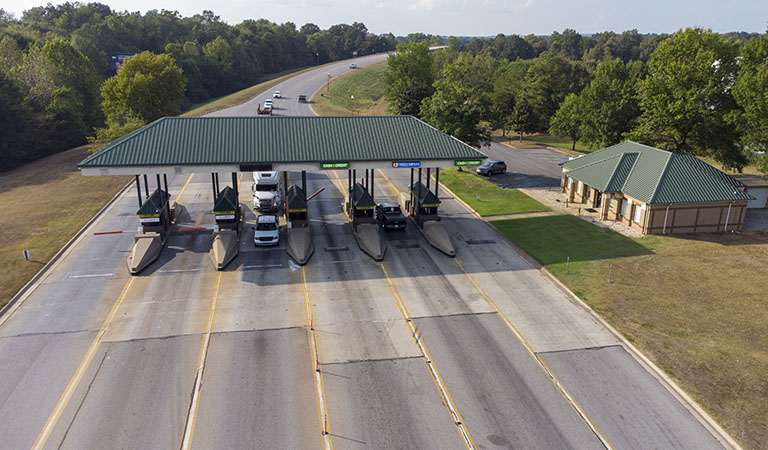
The Tuscaloosa By-Pass was envisioned in the late 1980s as a solution to the growing traffic challenges facing Tuscaloosa and Northport. With the University of Alabama’s continued expansion, rising industrial traffic, and increasing population in the surrounding areas, local and state leaders recognized the need for a new corridor that could move vehicles more efficiently between major highways and interstates.
In partnership with the Alabama Department of Transportation, American Roads LLC took on the construction and operation of the Western Bypass. Funding came entirely from a private investor, allowing the project to move forward without burdening taxpayers.
The Western Bypass officially opened to traffic in 1998, creating a seamless connection between U.S. Highway 82 (McFarland Boulevard) and Interstates 59/20. It provided an immediate reduction in congestion through Tuscaloosa’s urban core and improved freight efficiency for industries located in the area.
Since its opening, the Tuscaloosa By-Pass has undergone multiple upgrades to improve safety, efficiency, and user convenience. Key improvements have included resurfacing projects, new lighting installations, guardrail replacements, and the implementation of electronic toll collection systems, such as the Alabama Freedom Pass.
Late 1980s
Project envisioned to ease Tuscaloosa congestion.
Late 1980s
1998
Official opening of the Bypass connecting U.S. 82 and I-59/20.
1998
2000s
Alabama Freedom Pass introduced.
2000s
2010s–2020s
2010s–2020s
Ongoing resurfacing, safety upgrades, and technology improvements.